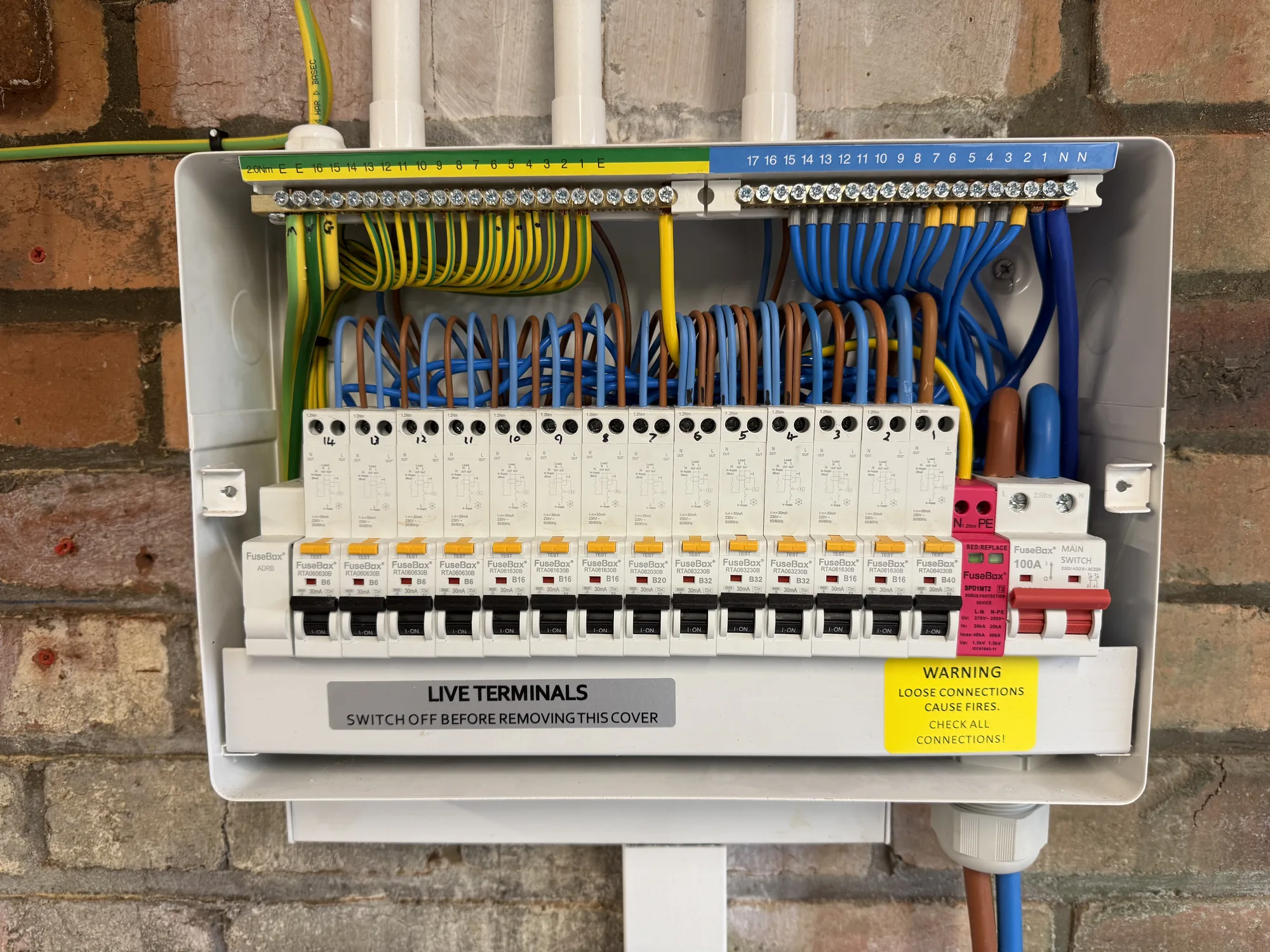
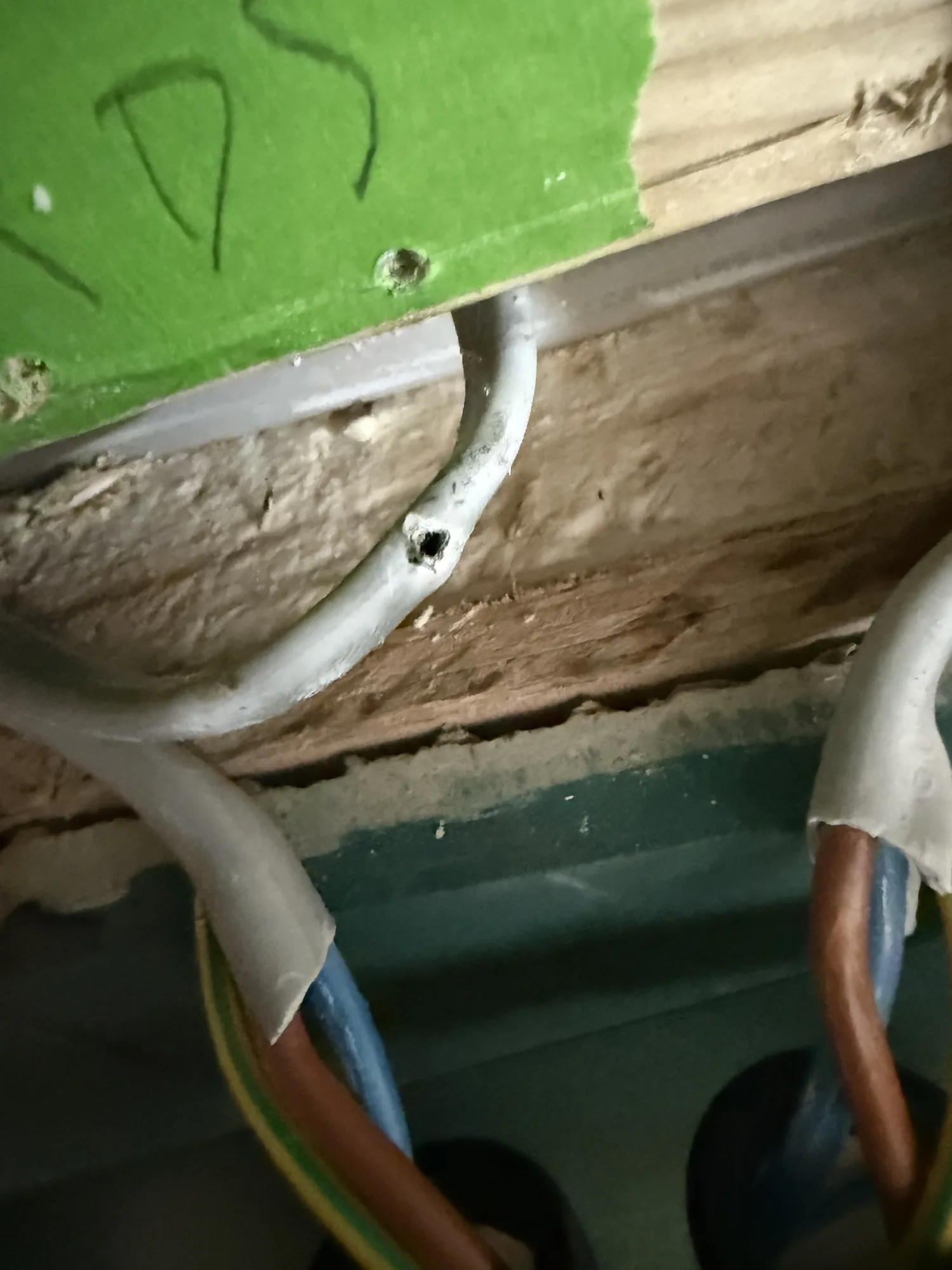
Most landlords think of the EICR as a piece of paper they need every five years. It is easier to picture it the other way round. The report is the by-product. What you are really buying is a qualified electrician spending a few hours confirming that the wiring behind the walls of someone else's home is not going to hurt them. The five-year rule in the private rented sector did not appear because the paperwork was missing. It appeared because rented homes were being let with installations nobody had checked in decades. This guide explains what the report is, what the law actually requires of you in Swansea, and how to make the process painless.
What an EICR Is
An Electrical Installation Condition Report (EICR) is a formal assessment of the safety and condition of a property's fixed electrical installation, carried out by a qualified electrician. It is not a quick visual look around. It involves inspecting and testing the wiring, the consumer unit, the circuits, and the earthing and bonding, then recording the findings against the BS 7671 wiring regulations.
The end result is a report that states whether the installation is Satisfactory or Unsatisfactory and lists every observation with a code that tells you how serious it is and what, if anything, you have to do about it. For a landlord, that report is the evidence that the property was safe to let on the day it was inspected.
The Five-Year Legal Requirement
For privately rented homes, an EICR is not optional. Under the Electrical Safety Standards in the Private Rented Sector regulations, landlords are legally required to:
- Have the installation inspected and tested at least every five years by a qualified and competent person, and more often if the report itself recommends a shorter interval.
- Ensure the installation meets the standards in BS 7671, the national safety standard for electrical installations, currently the 18th Edition.
- Supply a copy of the report to existing tenants within 28 days of the inspection, and to new tenants before they move in.
- Provide the report to the local authority on request, and supply a copy to any prospective tenant who asks for one.
- Carry out remedial work where the report requires it, within 28 days or sooner if the report specifies a shorter period, and obtain written confirmation that the work has brought the installation up to standard.
The interval can be shorter than five years. A report can recommend a re-test in one, two, or three years depending on the condition and age of the installation, and a change of tenancy is a sensible point to review it as well. Failure to comply can lead to enforcement action and financial penalties from the local authority, so this is not a corner worth cutting.
Need a Landlord EICR in Swansea?
Furlong BAU Limited is a NICEIC registered, UKAS approved contractor covering Swansea and the Gower. Call 07814 888747 to book a landlord EICR.
Get a Free QuoteWhat C1, C2, and C3 Mean
The codes are the part that matters most to a landlord, because they decide whether you have a job on your hands or not. Every observation in the report is given one of the following.
- C1, danger present: A risk of injury exists and immediate action is required. A C1 makes the report Unsatisfactory and needs putting right straight away. A genuinely dangerous situation may be made safe on the spot during the inspection.
- C2, potentially dangerous: Not an immediate danger, but it could become one. A C2 also makes the report Unsatisfactory and requires urgent remedial work to resolve it.
- C3, improvement recommended: Not dangerous and does not, on its own, make the report Unsatisfactory. It is a recommendation that would improve the safety of the installation. You are not legally required to act on a C3 immediately, but it is sensible to plan it in.
- FI, further investigation: Something the inspection could not fully resolve and that needs investigating without delay. An FI also results in an Unsatisfactory report until it is followed up.
In short: a report with any C1, C2, or FI is Unsatisfactory and you must arrange the remedial work and get written confirmation it has been completed. A report with only C3 items is Satisfactory, and the C3s become a to-do list rather than a legal deadline.
What Gets Checked
During the inspection we work through the fixed installation and test it properly rather than just looking at it.
- The consumer unit: Its type, condition, and whether it provides modern RCD and overload protection. An old board with no RCD is a common finding in rental properties.
- Wiring and circuits: The condition of the cabling, the integrity of the circuits, and signs of overloading, damage, or deterioration.
- Sockets and switches: Condition, secure fixing, signs of overheating or burning, and correct operation.
- Earthing and bonding: That the installation is correctly earthed and that protective bonding is in place, which is fundamental to the safety of the whole property.
- Circuit testing: The circuits are tested with calibrated equipment to confirm they are operating correctly and have the right protection, not just inspected by eye.
A typical domestic report takes two to four hours depending on the size of the property and the number of circuits. Larger properties or those with multiple boards can take longer.
Preparing Your Rental
A little preparation makes the visit faster and less disruptive for your tenants.
- Arrange access: Coordinate with the tenants so we can get into the property and reach every room. Brief tenants that there will be short, planned power interruptions during testing.
- Clear access to the consumer unit and sockets: The fuse board and outlets need to be reachable, so moving furniture or stored items away from them in advance saves time.
- Provide previous reports: Any earlier EICR, electrical certificates, or records of work done on the property help build an accurate picture and can speed the inspection up.
- Allow for a possible re-test interval: The report will state when the next inspection is due. Diarise it as soon as you have the report so the five-year requirement never lapses.
- Plan for remedial work: If the report comes back Unsatisfactory, you have a defined window to act. Having a NICEIC registered electrician lined up to quote and carry out the work keeps you inside the deadline.
If the report flags remedial work, we explain it honestly and quote for it with no pressure. Depending on what is found, that can range from a consumer unit upgrade through to a partial or full rewire on older installations. We also carry out commercial EICRs for landlords with shops, offices, and other commercial premises.
Cost Guide
The cost depends on the size and type of property and the number of circuits to test.
- Domestic EICR: from £200, covering a typical rented house or flat, with a clear coded report and certification.
- Commercial EICR: from £500, for shops, offices, and other commercial premises, with the report scaled to the size and complexity of the installation.
- Remedial work: if the report is Unsatisfactory, any required work is quoted separately and explained clearly before anything is agreed, with written confirmation provided once it brings the installation up to standard.
We provide free, no-obligation quotes and clear, transparent pricing. Call 07814 888747 or email furlongbau@gmail.com to book a landlord EICR in Swansea or the Gower.
Frequently Asked Questions
At least every five years for a privately rented property, and more often if the report itself recommends a shorter interval. A report can specify a re-test in one, two, or three years depending on the condition of the installation, and a change of tenancy is a sensible point to review it.
Yes. Under the Electrical Safety Standards in the Private Rented Sector regulations, landlords must have an EICR carried out at least every five years by a qualified and competent person, supply the report to tenants, and carry out any required remedial work within the stated timescale. Failing to comply can lead to enforcement action and financial penalties.
C1 means danger is present and immediate action is required. C2 means potentially dangerous and urgent action is needed. C3 means improvement is recommended but it is not immediately dangerous. Any C1, C2, or FI (further investigation) makes the report Unsatisfactory; a report with only C3 items is Satisfactory.
You must carry out the required remedial work, normally within 28 days or sooner if the report specifies a shorter period, and obtain written confirmation that the installation now meets the standard. We provide clear recommendations and an honest quote for the work needed to bring the installation up to standard.
A typical domestic report takes two to four hours depending on the size of the property and the number of circuits. Tenants can usually remain in the property, though some tests need brief, planned power shutdowns, so it is worth not relying on a constant supply during the inspection.
Domestic EICRs start from £200 and commercial EICRs from £500, scaled to the size and complexity of the installation. Any remedial work, if the report is Unsatisfactory, is quoted separately and explained clearly before anything is agreed. We provide free, no-obligation quotes across Swansea and the Gower.